Tipping Points
Research on climate tipping points and abrupt shifts in the Earth system
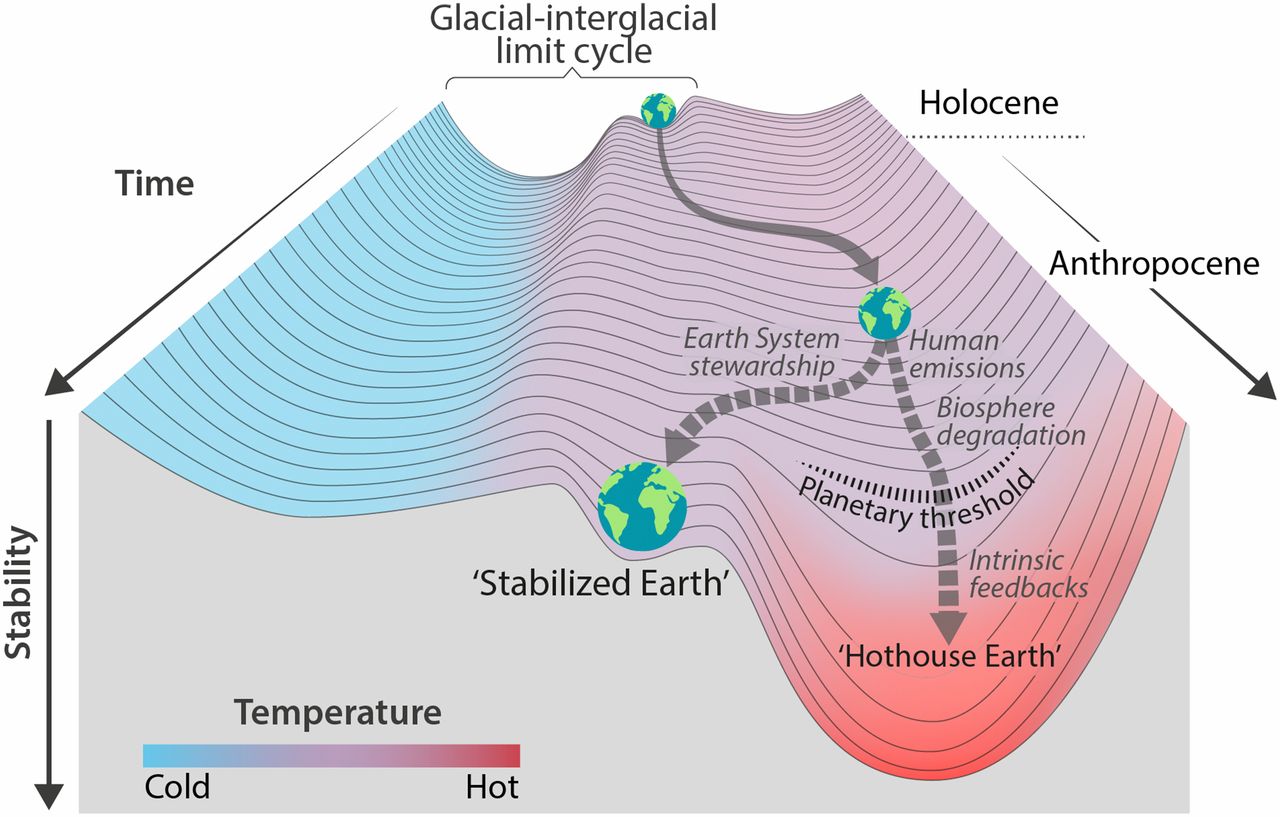
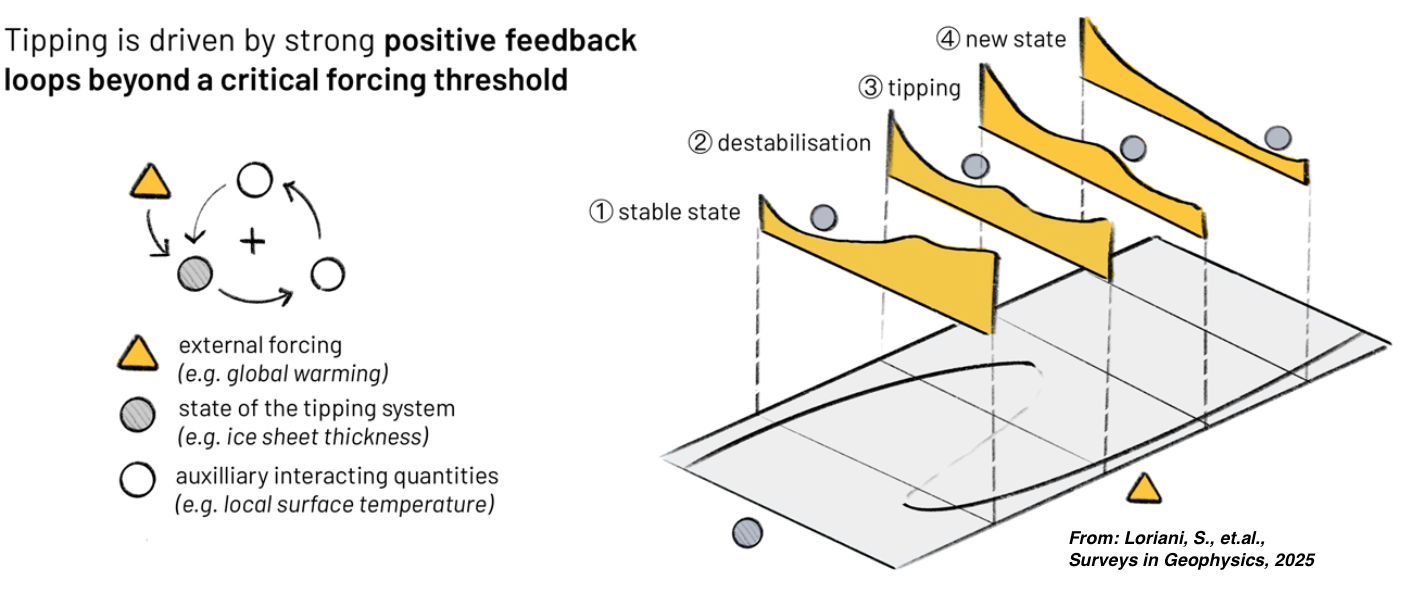
Climate tipping points are thresholds at which small changes in external conditions can trigger large, often irreversible shifts in the state of the Earth system. Understanding these critical transitions is essential for anticipating and potentially preventing catastrophic changes in the climate.
My work focuses on identifying early-warning signals and understanding the mechanisms that drive the Earth system toward — or away from — tipping points. This includes studying teleconnections between distant components of the Earth system, such as the links between Amazon deforestation, Tibetan snow cover, and Antarctic ice loss.
Key topics
Early warning signals (EWS)
Developing robust statistical indicators, such as critical slowing down (CSD), and physics-informed metrics to detect the loss of stability in Earth system components. The goal is to anticipate abrupt climate transitions from observational data before irreversible tipping occurs.
Planetary teleconnections
Utilizing advanced climate network frameworks to uncover the directional interaction structures that link distant geographical regions. This includes identifying coherent atmospheric-oceanic pathways that propagate local anomalous signals and couple major climate subsystems across the globe.
Cascading tipping dynamics
Investigating how major climate tipping elements—such as large-scale ocean circulations, polar ice sheets, and biospheres—interact with one another. A key focus is assessing the risk of domino effects, where the threshold crossing of one subsystem triggers a cascade of destabilization in others under anthropogenic warming.
Research objects
EWS Detection
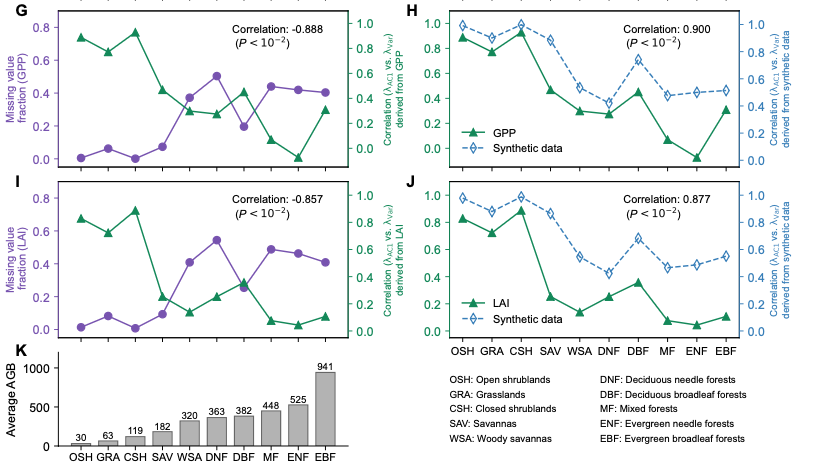
Deploying advanced Early Warning Signals (EWS) based on critical slowing down to monitor the stability of Earth system components. Our framework focuses on enhancing detection robustness against empirical data challenges, such as missing values and observational noise.
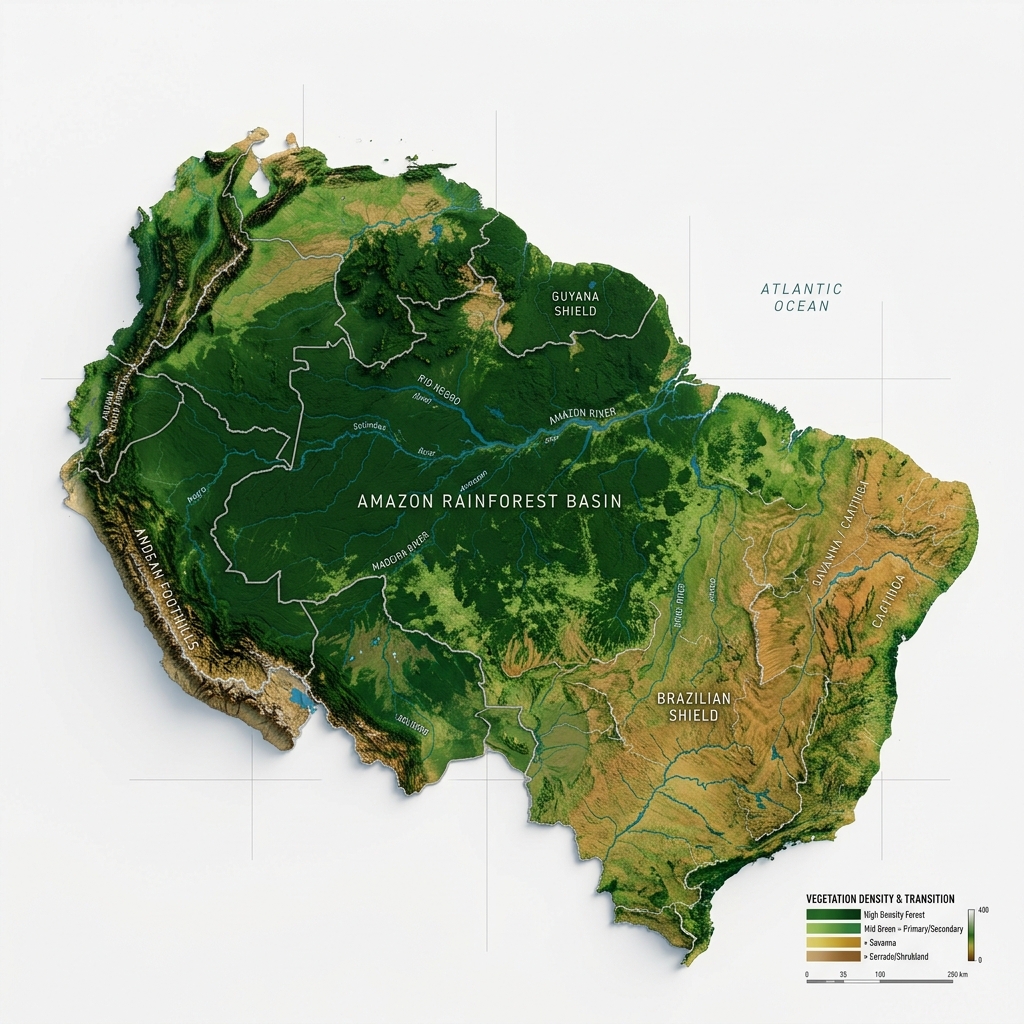
Amazon Rainforest
Analyzing the risk of dieback and state transitions in the Amazon basin due to the combined effects of deforestation, climate change, and moisture recycling feedback loops.
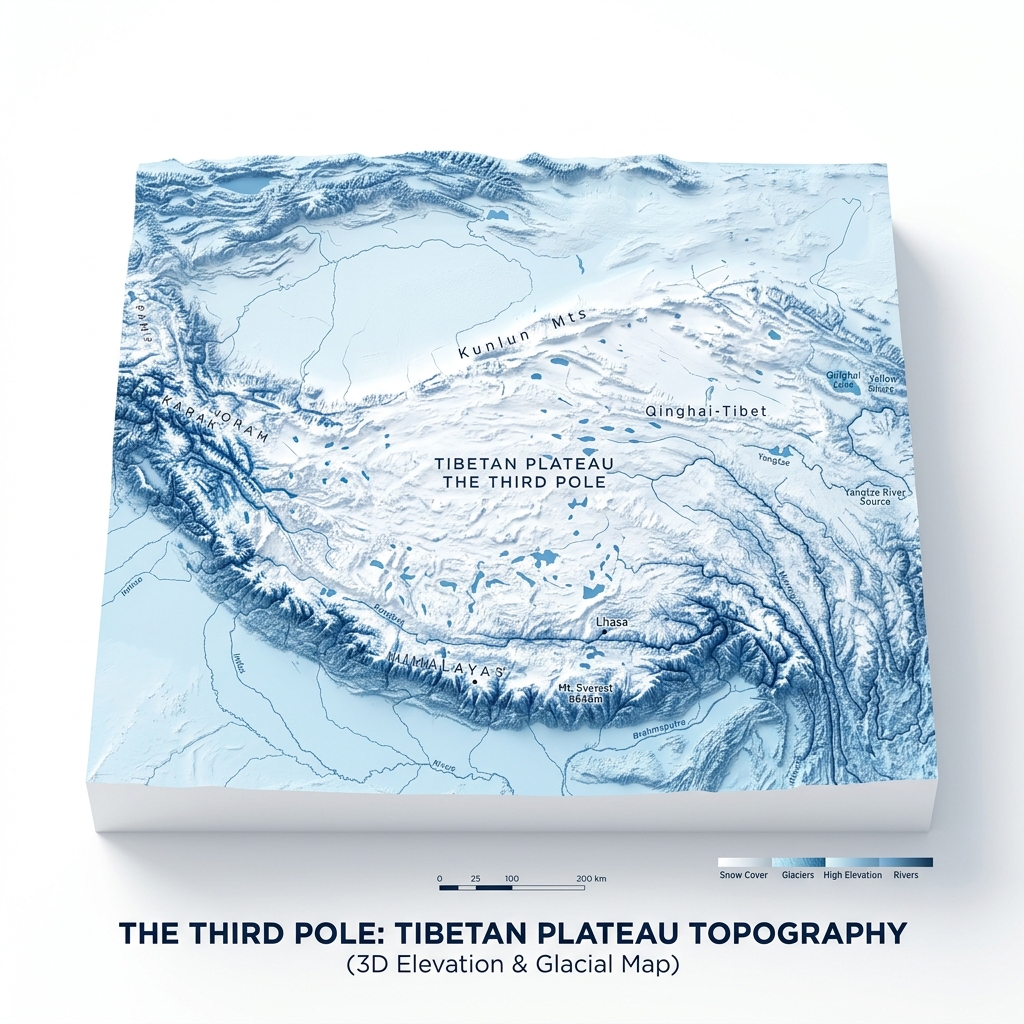
Tibetan Plateau
Investigating snow cover dynamics and permafrost degradation on the "Third Pole," exploring how regional changes propagate through teleconnections to impact the global climate system.
Related publications
2026
-
Preprint
 arXiv preprint arXiv:2604.16924, Apr 2026
2026
2025
-
Nat. Geosci.

2023
-
Nat. Clim. Change
 Nature Climate Change, Jan 2023