The Qinghai-Tibetan Plateau (QTP), Earth’s "Third Pole", profoundly shapes the Asian monsoon and regional climate and exerts far-reaching influence on the global climate system. Yet its role in organizing planetary-scale climate interactions remains poorly quantified. Here we develop a climate network framework to explicitly resolve the planetary teleconnection architecture associated with the QTP across historical observations and future climate projections, with physical consistency assessed using Lagrangian trajectory diagnostics and targeted numerical experiments. We uncover a persistent and directional interaction structure linking the QTP with multiple major climate tipping elements. In particular, we identify a robust tripolar interaction mode coupling the QTP with both the Arctic and Antarctica through coherent atmospheric-oceanic pathways. Our findings establish the QTP as a critical planetary climate integrator, revealing a significant blind spot in current climate models and risk frameworks regarding cascading tipping dynamics in a warming world.
@article{Wang2026Planetary,title={Planetary climate interactions of the Qinghai-Tibetan Plateau},author={Wang, Ziyan and Liu, Teng and Wang, Shang and Fang, Sheng and Meng, Jun and Chen, Xiaosong and Kurths, Jürgen and Havlin, Shlomo and Chen, Fahu and Rockstr{\"o}m, Johan and Chen, Deliang and Schellnhuber, Hans Joachim and Fan, Jingfang},year={2026},journal={arXiv preprint arXiv:2604.16924},month=apr,doi={10.48550/arXiv.2604.16924}}
The resilience of natural systems, such as climate or ecosystems, is increasingly threatened by anthropogenic pressures, making it essential to quantify resilience changes before abrupt and irreversible regime shifts occur. Widely used data-driven resilience indicators based on variance and autocorrelation detect “critical slowing down,” a signature of decreasing stability and possible impending critical transitions in dynamical systems with alternative equilibria. However, the interpretation of these indicators is complicated by common data issues such as missing values and outliers, whose effects remain poorly understood. Here, we develop a general mathematical framework that rigorously characterizes the statistical dependency between variance- and autocorrelation-based resilience indicators, revealing that their agreement is fundamentally driven by the time series’ initial data point. Using synthetic and empirical data, we demonstrate that missing values substantially weaken the agreement of resilience indicators, while outliers introduce systematic biases that lead to overestimation of resilience based on temporal autocorrelation. Our results provide a necessary and rigorous foundation for preprocessing strategies and accuracy assessments across the growing number of disciplines that use empirical data to infer changes in system resilience. Data gaps and outliers distort the statistical indicators used to detect loss of resilience in natural systems.
@article{liu2026SA,author={Liu, Teng and Morr, Andreas and Bathiany, Sebastian and Blaschke, Lana L and Qian, Zhen and Diao, Chan and Smith, Taylor and Boers, Niklas},title={Data gaps and outliers distort critical-slowing-down-based resilience indicators},journal={Science Advances},volume={12},number={11},dimensions={true},pages={eaee1916},year={2026},month=mar,doi={10.1126/sciadv.aee1916},url={https://www.science.org/doi/abs/10.1126/sciadv.aee1916},}
Atmospheric rivers (ARs) are essential components of the global hydrological cycle, with profound implications for water resources, extreme weather events, and climate dynamics. Yet, the statistical organization and underlying physical mechanisms of AR intensity and evolution remain poorly understood. Here we apply methods from statistical physics to analyze the full life cycle of ARs and identify universal signatures of self-organized criticality. We demonstrate that AR morphology exhibits nontrivial fractal geometry, while AR event sizes—quantified via integrated water vapor transport—follow robust power-law distributions, displaying finite-size scaling. To interpret these emergent behaviors, we develop a moisture avalanche model that reproduces the observed scaling laws and links them to threshold-driven moisture transport and precipitation dissipation. These scaling properties persist under warming scenarios, suggesting that ARs operate near a critical state as emergent, self-regulating systems. Concurrently, we observe a systematic poleward migration and intensification of ARs, driven by thermodynamic amplification and dynamical reorganization. Our findings establish a statistical physics framework for ARs, connecting critical phenomena to the spatiotemporal structure of extreme events in a warming climate.
@article{wang2026prl,title={Self-Organized Criticality in Atmospheric Rivers},author={Wang, Shang and Meng, Jun and Fang, Sheng and Liu, Teng and Christensen, Kim and Kurths, Jürgen and Fan, Jingfang},journal={Physical Review Letters},volume={136},issue={9},pages={094201},numpages={8},year={2026},month=mar,dimensions={true},doi={10.1103/7l2l-g5vn},url={https://link.aps.org/doi/10.1103/7l2l-g5vn},}
Accurate assessment of anthropogenic climate change relies on historical instrumental data, yet observations from the early 20th century are sparse, fragmented, and uncertain. Conventional reconstructions rely on disparate statistical interpolation, which excessively smooths local features and creates unphysical artifacts, leading to systematic underestimation of intrinsic variability and extremes. While recent machine learning approaches have improved reconstruction accuracy, they remain confined to purely spatial inpainting of coarse-resolution fields. Here, we present a unified, probabilistic generative deep learning framework that overcomes these limitations and reveals previously unresolved historical climate variability back to 1850. Leveraging a learned generative prior of Earth system dynamics, our model performs probabilistic inference to recover spatiotemporally consistent historical temperature and precipitation fields from sparse observations. Our approach preserves the higher-order statistics of climate dynamics, transforming reconstruction into a robust uncertainty-aware assessment. We demonstrate that our reconstruction overcomes pronounced biases in widely used historical reference products, including those underlying IPCC assessments, especially regarding extreme weather events. Notably, we uncover higher early 20th-century global warming levels compared to existing reconstructions, primarily driven by more pronounced polar warming, with mean Arctic warming trends exceeding established benchmarks by 0.15-0.29 °C per decade for 1900-1980. Conversely, for the modern era, our reconstruction indicates that the broad Arctic warming trend is likely overestimated in recent assessments, yet explicitly resolves previously unrecognized intense, localized hotspots in the Barents Sea and Northeastern Greenland. Furthermore, based on our seamless global reconstruction that recovers precipitation variability across the oceans and under-monitored regions, we uncover an intensification of the global hydrological cycle. Our results provide a globally complete, uncertainty-aware, spatiotemporally consistent temperature and precipitation reconstruction back to 1850, enabling more precise assessments of historical anthropogenic climate change, especially with regard to historical changes in extreme weather events, even in the polar regions where observations are sparse.
@article{qian2026generative,title={Generative deep learning improves reconstruction of global historical climate records},author={Qian, Zhen and Liu, Teng and Bathiany, Sebastian and Yang, Shangshango and Hess, Philipp and Bochow, Nils and Burmester, Christian and Gelbrecht, Maximilian and Groenke, Brian and Boers, Niklas},journal={arXiv preprint arXiv:2602.16515},doi={10.48550/arXiv.2602.16515},year={2026}}
Coastal systems are shaped by complex interactions among physical, chemical, and anthropogenic factors, yet diagnosing system-level transitions remains a major challenge due to their multivariate and dynamic nature. Here, we introduce a novel framework based on Eigen Microstates Theory (EMT) to capture the evolving dynamics of multivariable coastal systems through emergent patterns in variable interactions. Applying this theory to the Bohai Sea, a representative coastal complex system, we quantify system disorder using the entropy of eigen microstates and identify state transitions in Bohai Sea corresponding to ecological events such as red tides. These emergent eigen microstates reflect coupling among variables, allowing the identification of dominant drivers and attribution of variable behavior to anthropogenic versus climate-induced influences. Human activity is identified as the primary long-term driver of eutrophication, while natural variability modulates its intensity and timing. Furthermore, the EMT framework allows for the disentanglement of overlapping effect from different drivers, providing a robust basis for evaluating the effectiveness of environmental policies. Our analysis reveals that recent regulatory interventions, though successful in curbing nutrient inputs, were not fully reflected in nutrient dynamics because of the concurrent increases in climate-driven nutrient transport. These results underscore the importance of coordinated monitoring and management strategies that account for both human and natural contributions to coastal change, aligning with the United Nations Sustainable Development Goal (SDG) 14.1 and providing support for its implementation. This framework offers a transferable tool for uncovering state transitions and disentangling interacting drivers in complex coastal systems under global change.
@article{huang2026holistic,title={Holistic Evolution of the Bohai Sea Complex System: Insights from Interacting Drivers},author={Huang, Han and Zou, Tao and Liu, Teng and Wang, Hongyu and Wang, Zhixuan and Tao, Ningning and Li, Yanfang and Fan, Hao and Xie, Fei and Zhai, Weidong and Wang, Guizhi and Zhang, Yongwen and Fan, Jingfang and Qin, Song and Dai, Minhan and Chen, Xiaosong},journal={Marine Environmental Research},doi={10.1016/j.marenvres.2026.107905},pages={107905},dimensions={true},month=feb,year={2026},publisher={Elsevier}}
The Tibetan Plateau (TP), known as the "Asian Water Tower," is currently undergoing a rapid wetting trend. While this moisture increase is often viewed as beneficial for water availability, it remains unclear whether the hydrological system itself is becoming more resilient or drifting toward instability. Here, we apply an entropy-based framework to quantify the changing structural organization of the TP’s soil moisture system. We show that from 2000 to 2024, regional wetting has driven a long-term decline in entropy, reflecting an increase in system order and stability due to enhanced hydrological buffering capacity. This stability is modulated by the El Niño-Southern Oscillation (ENSO), which regulates regional heterogeneity via a distinct spatial dipole. Crucially, however, CMIP6 climate projections reveal an alarming reversal: future warming triggers a rise in entropy. This transition signals a loss of systemic resilience, characterized by intensified spatial disorder and potential abrupt regime shifts by the mid-century. Our findings suggest that while current wetting provides a stabilizing buffer, continued warming is projected to amplify spatial heterogeneity, thereby destabilizing the Asian Water Tower, with significant risks for downstream water security.
@article{xie2026warming,title={Warming-driven rise in soil moisture entropy signals destabilization of the Asian Water Tower},author={Xie, Yiran and Liu, Teng and Ma, Xuan and Lyu, Yingshuo and Wang, Xu and Qian, Yatong and Wang, Ming and Chen, Xiaosong},journal={arXiv preprint arXiv:2601.01534},doi={10.48550/arXiv.2601.01534},year={2026}}
In the eigen microstate approach (EMA), phase emergence is signaled by the condensation of an eigen microstate with a finite eigenvalue. The associated eigenvalue acts as an order parameter, exhibiting finite-size scaling (FSS) behaviors within the critical regime. The eigen microstate derived from EMA precisely characterizes the spatial structure of the emergent phase, which remains less explored in systems lacking translational invariance. Here, we propose an FSS form for the eigen microstate itself and numerically validate it using the two-dimensional Ising model under various boundary conditions. This result enables the derivation of FSS relations for correlation functions, which we verify through numerical simulations. Our results complete the FSS formalism for the EMA.
@article{hu2025finite,title={Finite-size scaling behaviors of eigen microstates near the critical point},author={Hu, Gaoke and Dong, Jia-Qi and Zhang, Yongwen and Liu, Teng and You, Wen-Long and Liu, Maoxin and Chen, Xiaosong},journal={Chinese Physics Letters},doi={10.1088/0256-307X/43/2/020001},dimensions={true},volume={43},pages={020001},publisher={IOP Publishing},month=dec,year={2025},}
As enduring carbon sinks, forest ecosystems are vital to the terrestrial carbon cycle and help moderate global warming. However, the long-term dynamics of aboveground carbon (AGC) in forests and their sink-source transitions remain highly uncertain, owing to changing disturbance regimes and inconsistencies in observations, data processing, and analysis methods. Here, we derive reliable, harmonized AGC stocks and fluxes in global forests from 1988 to 2021 at high spatial resolution by integrating multi-source satellite observations with probabilistic deep learning models. Our approach simultaneously estimates AGC and associated uncertainties, showing high reliability across space and time. We find that, although global forests remained an AGC sink of 6.2 PgC over 30 years, moist tropical forests shifted to a substantial AGC source between 2001 and 2010 and, together with boreal forests, transitioned toward a source in the 2011-2021 period. Temperate, dry tropical and subtropical forests generally exhibited increasing AGC stocks, although Europe and Australia became sources after 2011. Regionally, pronounced sink-to-source transitions occurred in tropical forests over the past three decades. The interannual relationship between global atmospheric CO2 growth rates and tropical AGC flux variability became increasingly negative, reaching Pearson’s r = -0.63 (p < 0.05) in the most recent decade. In the Brazilian Amazon, the contribution of deforested regions to AGC losses declined from 60% in 1989-2000 to 13% in 2011-2021, while the share from untouched areas increased from 33% to 76%. Our findings suggest a growing role of tropical forest AGC in modulating variability in the terrestrial carbon cycle, with anthropogenic climate change potentially contributing increasingly to AGC changes, particularly in previously untouched areas.
@article{qian2025decadal,title={Decadal sink-source shifts of forest aboveground carbon since 1988},author={Qian, Zhen and Bathiany, Sebastian and Liu, Teng and Blaschke, Lana L and Teo, Hoong Chen and Boers, Niklas},doi={https://doi.org/10.48550/arXiv.2506.11879},journal={arXiv preprint arXiv:2506.11879},year={2025}}
We introduce the eigen microstate entropy (SEM), a novel metric of complexity derived from the probabilities of statistically independent eigen microstates. After establishing its scaling behavior in equilibrium systems and demonstrating its utility in critical phenomena (mean spherical, Ising, and Potts models), we apply SEM to non-equilibrium complex systems. Our analysis reveals a consistent precursor signal: a significant increase in SEM precedes major phase transitions. Specifically, we observe this entropy rise before biomolecular condensate formation in liquid-liquid phase separation in living cells and months ahead of El Niño events. These findings position SEM as a general framework for detecting and interpreting phase transitions in non-equilibrium systems.
@article{liu2025phase,title={Phase transition revealed by eigen microstate entropy},author={Liu, Teng and Niu, Xuezhi and Zhang, Mingli and Hu, Gaoke and Chen, Yuhan and Zhang, Yongwen and Shi, Rui and Li, Jingyuan and Tan, Peng and Liu, Maoxin and Li, Hui and Chen, Xiaosong},journal={arXiv preprint arXiv:2512.23086},doi={10.48550/arXiv.2512.23086},year={2025}}
There is rising concern that several parts of the Earth system may abruptly transition to alternative stable states in response to anthropogenic climate and land-use change. Key candidates of such tipping elements include the Greenland Ice Sheet, the Atlantic Meridional Overturning Circulation, the South American monsoon system and the Amazon rainforest. Owing to the complex dynamics and feedbacks between them via oceanic and atmospheric coupling, the levels of anthropogenic forcing at which transitions to alternative states can be expected remain uncertain. Here we demonstrate how such interactions can generate spurious signals and potentially mask genuine signs of destabilization. We further review and present observation-based evidence that the stability of these four tipping elements has declined in recent decades, suggesting that they have moved towards their critical thresholds, which may be crossed within the range of unmitigated anthropogenic warming. Our results call for better monitoring of these tipping elements and for increased efforts to stop greenhouse gas emissions and land-use change.
@article{boers2025destabilization,title={Destabilization of Earth system tipping elements},author={Boers, Niklas and Liu, Teng and Bathiany, Sebastian and Ben-Yami, Maya and Blaschke, Lana L and Bochow, Nils and Boulton, Chris A and Lenton, Timothy M and Morr, Andreas and Nian, Da and Rypdal, Martin and Smith, Taylor},journal={Nature Geoscience},volume={18},number={10},pages={949--960},year={2025},dimensions={true},month=oct,doi={10.1038/s41561-025-01787-0},publisher={Nature Publishing Group UK London},}
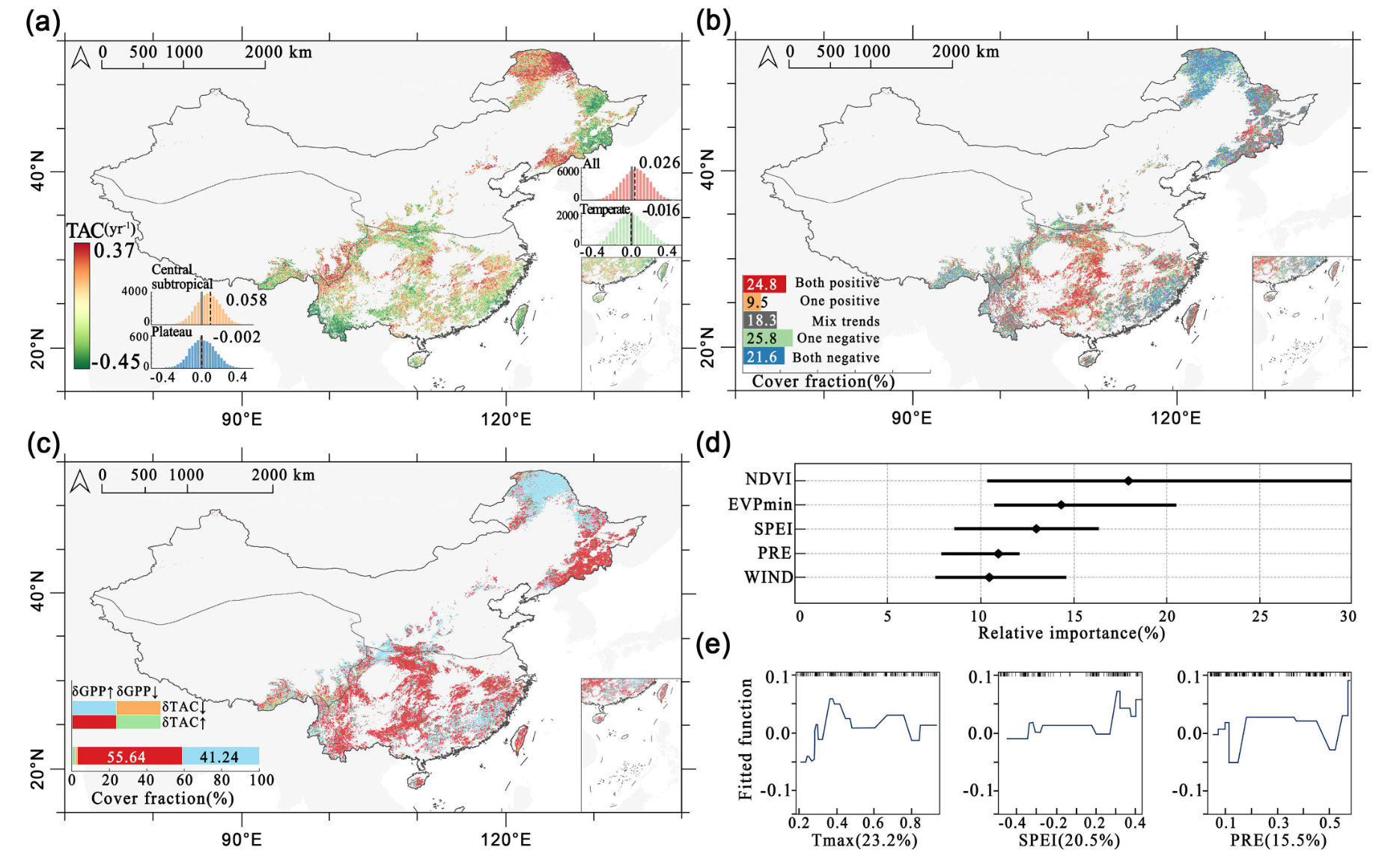
Climate variability is increasingly threatening forest ecosystem functioning and carbon sink stability, reducing resilience and triggering abrupt state transitions. Ecosystem productivity resilience (EPR)—the ability to maintain and recover carbon sequestration function under disturbance—is a key dimension of functional resilience. Declining EPR often precedes functional anomalies and signals increased risk of critical transitions. However, previous studies have largely focused on temporal trends and lack spatially explicit methods for assessing resilience states and transition risks. We develop a composite indicator framework to quantify EPR variation using critical slowing down (CSD) metrics derived from gross primary production (GPP) time series. By integrating structure and process characteristics, we identify EPR states and potential transitions under climate change. Applied across China from 2000 to 2018, the framework reveals that 57.47% of forests experienced an EPR decline, primarily driven by climatic water availability. Coniferous-broadleaf forests in the temperate zone experienced the most severe abrupt declines under both water surplus and deficit. Reductions in EPR and productivity are statistically linked and emerge as ecosystems approach critical thresholds. Notably, 24.58% of forests have transitioned from a state of uniform stability to unstable multistability. As projected EPR degradation escalates under persistent warming, high-risk transitions increasingly cluster in boundary areas and high-vulnerability shifts toward productive lower latitudes. Our findings highlight the urgency of incorporating the EPR indicator system into resilience assessments and informing ecological adaptation management.
@article{LYU2025114388,title={An indicator framework for assessing forest ecosystem productivity resilience and transition risks under climate change},journal={Ecological Indicators},volume={181},pages={114388},year={2025},issn={1470-160X},dimensions={true},month=dec,doi={10.1016/j.ecolind.2025.114388},author={Lyu, Yingshuo and Zheng, Xi and Wang, Han and Liu, Teng and Chao, Chutong and Ou, Xiaoyang},keywords={Ecosystem productivity resilience (EPR), Critical slowing down (CSD) metrics, Climatic water availability, State transitions, Forest ecosystem, Adaptive forest management, Spatial resilience assessment}}
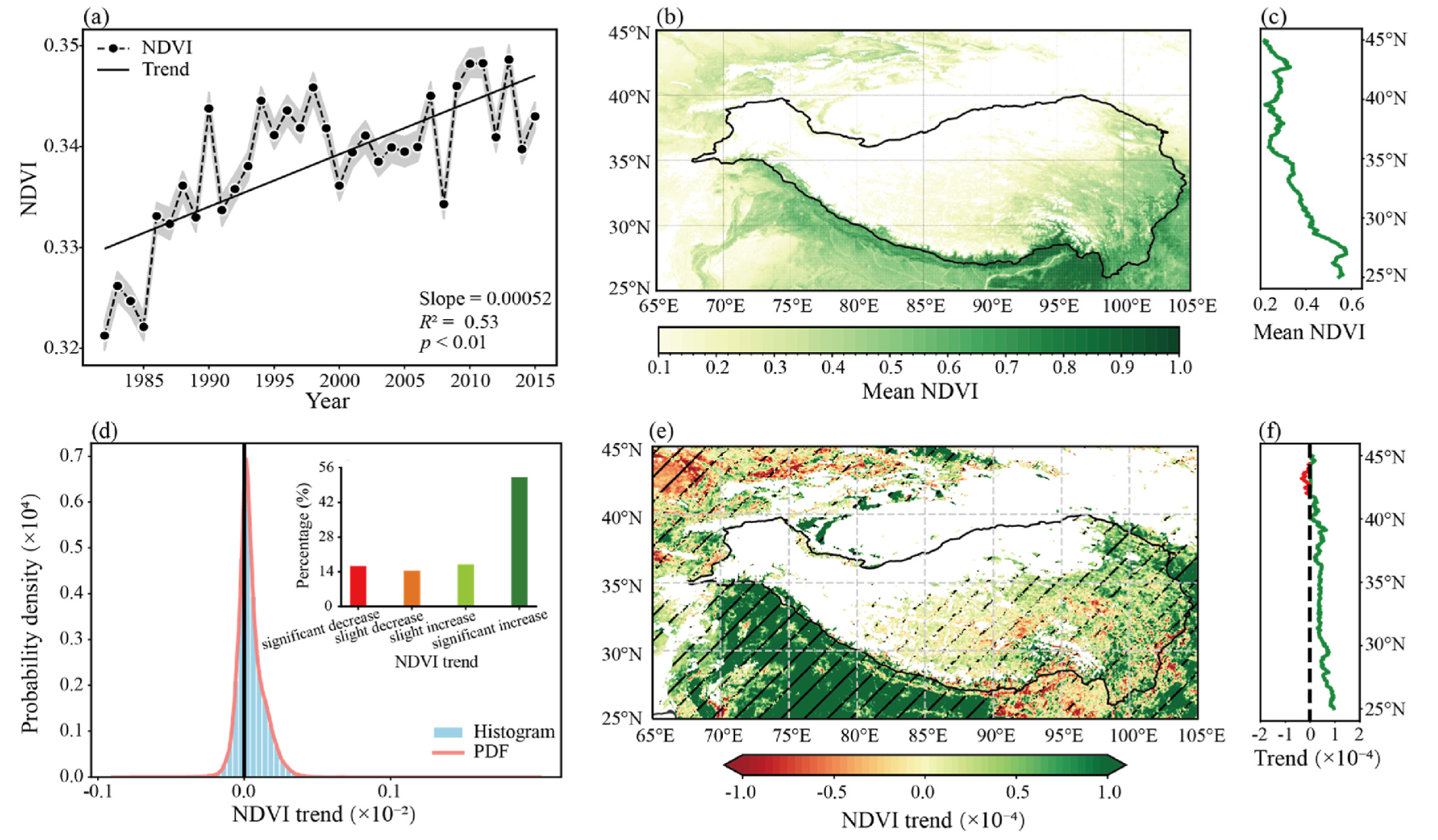
The Tibetan Plateau (TP) and surrounding regions, vital to global energy and water cycles, are profoundly influenced by climate change and anthropogenic activities. Despite widespread attention to vegetation greening across the region since the 1980s, its underlying mechanisms remain poorly understood. This study employs the eigen microstates method to quantify vegetation greening dynamics using long-term remote sensing and reanalysis data. We identify two dominant modes that collectively explain more than 61% of the vegetation dynamics. The strong seasonal heterogeneity in the southern TP, primarily driven by radiation and agricultural activities, is reflected in the first mode, which accounts for 46.34% of the variance. The second mode, which explains 15% of the variance, is closely linked to deep soil moisture (SM3, 28 cm to 1 m). Compared to precipitation and surface soil moisture (SM1 and SM2, 0–28 cm), our results show that deep soil moisture exerts a stronger and more immediate influence on vegetation growth, with a one-month response time. This study provides a complexity theory-based framework to quantify vegetation dynamics and underscores the critical influence of deep soil moisture on greening patterns in the TP.
@article{xie2025ecosystem,title={Ecosystem evolution and drivers across the Tibetan Plateau and surrounding regions},author={Xie, Yiran and Wang, Xu and Qian, Yatong and Liu, Teng and Fan, Hao and Chen, Xiaosong},journal={Journal of Environmental Management},volume={380},pages={124885},month=apr,year={2025},publisher={Elsevier},doi={10.1016/j.jenvman.2025.124885},dimensions={true},}
We employ the eigen microstates approach to explore the self-organized criticality (SOC) in two celebrated sandpile models, namely the BTW model and the Manna model. In both models, phase transitions from the absorbing state to the critical state can be understood by the emergence of dominant eigen microstates with significantly increased weights. Spatial eigen microstates of avalanches can be uniformly characterized by a linear system size rescaling. The first temporal eigen microstates reveal scaling relations in both models. Furthermore, by finite-size scaling analysis of the first eigen microstates, we numerically estimate critical exponents. Our findings could provide profound insights into eigen microstates of the universality and phase transition in nonequilibrium complex systems governed by self-organized criticality.
@article{zhang2024eigen,title={Eigen microstates in self-organized criticality},author={Zhang, Yongwen and Liu, Maoxin and Hu, Gaoke and Liu, Teng and Chen, Xiaosong},journal={Physical Review E},volume={109},number={4},pages={044130},year={2024},publisher={APS},month=apr,dimensions={true},doi={10.1103/PhysRevE.109.044130},}
Tipping elements are components of the Earth system that may shift abruptly and irreversibly from one state to another at specific thresholds. It is not well understood to what degree tipping of one system can influence other regions or tipping elements. Here, we propose a climate network approach to analyse the global impacts of a prominent tipping element, the Amazon Rainforest Area (ARA). We find that the ARA exhibits strong correlations with regions such as the Tibetan Plateau (TP) and West Antarctic ice sheet. Models show that the identified teleconnection propagation path between the ARA and the TP is robust under climate change. In addition, we detect that TP snow cover extent has been losing stability since 2008. We further uncover that various climate extremes between the ARA and the TP are synchronized under climate change. Our framework highlights that tipping elements can be linked and also the potential predictability of cascading tipping dynamics.
@article{liu2023teleconnections,title={Teleconnections among tipping elements in the Earth system},author={Liu, Teng and Chen, Dean and Yang, Lan and Meng, Jun and Wang, Zanchenling and Ludescher, Josef and Fan, Jingfang and Yang, Saini and Chen, Deliang and Kurths, Jürgen and Xiaosong, Chen and Havlin, Shlomo and Schellnhuber, Hans Joachim},journal={Nature Climate Change},volume={13},number={1},pages={67--74},dimensions={true},month=jan,doi={10.1038/s41558-022-01558-4},year={2023},publisher={Nature Publishing Group UK London},}
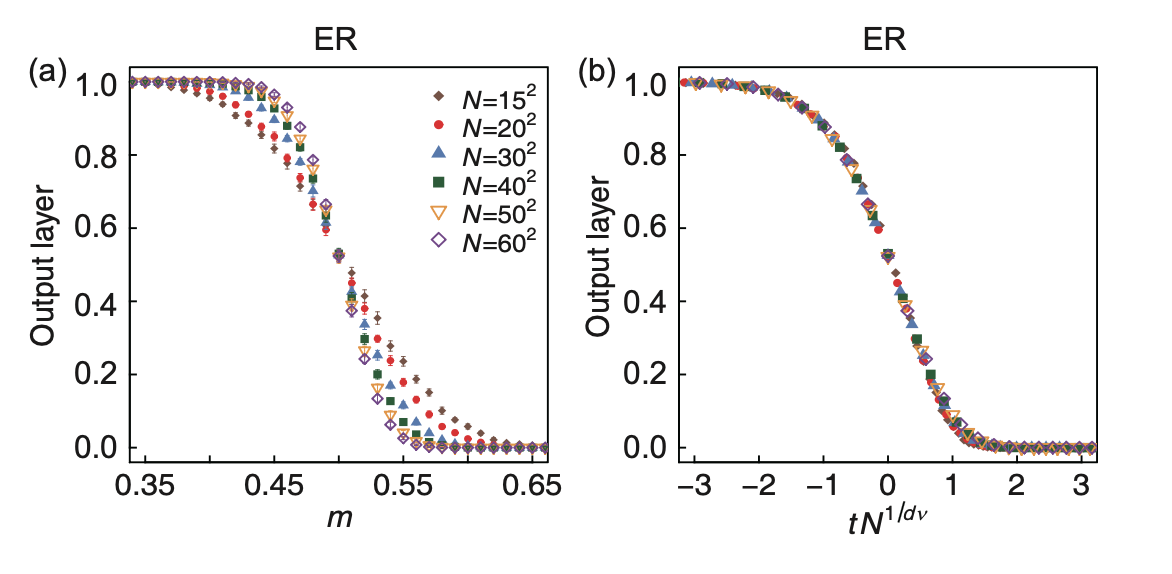
Herein, percolation phase transitions on a two-dimensional lattice were studied using machine learning techniques. Results reveal that different phase transitions belonging to the same universality class can be identified using the same neural networks (NNs), whereas phase transitions of different universality classes require different NNs. Based on this finding, we proposed the universality class of machine learning for critical phenomena. Furthermore, we investigated and discussed the NNs of different universality classes. Our research contributes to machine learning by relating the NNs with the universality class.
@article{hu2023universality,title={Universality class of machine learning for critical phenomena},author={Hu, Gaoke and Sun, Yu and Liu, Teng and Zhang, Yongwen and Liu, Maoxin and Fan, Jingfang and Chen, Wei and Chen, Xiaosong},journal={Science China Physics, Mechanics \& Astronomy},volume={66},number={12},pages={120511},doi={10.1007/s11433-023-2221-8},month=nov,dimensions={true},year={2023},publisher={Springer},}
We propose a renormalization group (RG) theory of eigen microstates, which are introduced in the statistical ensemble composed of microstates obtained from experiments or computer simulations. A microstate in the ensemble can be considered as a linear superposition of eigen microstates with probability amplitudes equal to their eigenvalues. Under the renormalization of a factor b, the largest eigenvalue σ1 has two trivial fixed points at low and high temperature limits and a critical fixed point with the RG relation, where β and ν are the critical exponents of order parameter and correlation length, respectively. With the Ising model in different dimensions, it has been demonstrated that the RG theory of eigen microstates is able to identify the critical point and to predict critical exponents and the universality class. Our theory can be used in research of critical phenomena both in equilibrium and non-equilibrium systems without considering the Hamiltonian, which is the foundation of Wilson’s RG theory and is absent for most complex systems.
@article{liu2022renormalization,title={Renormalization group theory of eigen microstates},author={Liu, Teng and Hu, Gaoke and Dong, Jia-Qi and Fan, Jingfang and Liu, Maoxin and Chen, Xiaosong},journal={Chinese Physics Letters},doi={10.1088/0256-307X/39/8/080503},dimensions={true},volume={39},number={8},pages={080503},month=jul,year={2022},publisher={IOP Publishing},}
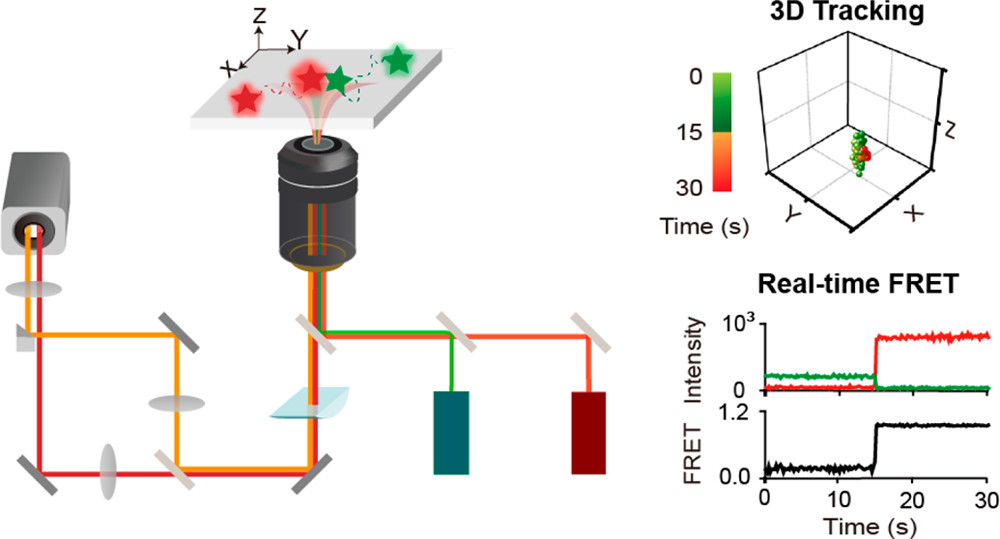
Many biological processes employ mechanisms involving the locations and interactions of multiple components. Given that most biological processes occur in three dimensions, the simultaneous measurement of three-dimensional locations and interactions is necessary. However, the simultaneous three-dimensional precise localization and measurement of interactions in real time remains challenging. Here, we report a new microscopy technique to localize two spectrally distinct particles in three dimensions with an accuracy (2.35σ) of tens of nanometers with an exposure time of 100 ms and to measure their real-time interactions using fluorescence resonance energy transfer (FRET) simultaneously. Using this microscope, we tracked two distinct vesicles containing t-SNAREs or v-SNARE in three dimensions and observed FRET simultaneously during single-vesicle fusion in real time, revealing the nanoscale motion and interactions of single vesicles in vesicle fusion. Thus, this study demonstrates that our microscope can provide detailed information about real-time three-dimensional nanoscale locations, motion, and interactions in biological processes.
@article{chen2021simultaneous,title={Simultaneous real-time three-dimensional localization and FRET measurement of two distinct particles},author={Chen, Xingxiang and Liu, Teng and Qin, Xianan and Nguyen, Quang Quan and Lee, Sang Kwon and Lee, Chanwoo and Ren, Yaguang and Chu, Jun and Zhu, Guang and Yoon, Tae-Young and others},journal={Nano Letters},volume={21},number={18},pages={7479--7485},year={2021},month=sep,publisher={ACS Publications},doi={10.1021/acs.nanolett.1c01328},dimensions={true}}
@article{qin2020simultaneous,title={Simultaneous tracking of two motor domains reveals near simultaneous steps and stutter steps of myosin 10 on actin filament bundles},author={Qin, Xianan and Yoo, Hanna and Cheng, Harry Chun Man and Nguyen, Quang Quan and Li, Jing and Liu, Xiaoyan and Prunetti, Laurence and Chen, Xingxiang and Liu, Teng and Sweeney, H Lee and others},journal={Biochemical and biophysical research communications},volume={525},number={1},pages={94--99},year={2020},publisher={Elsevier},dimensions={true},doi={10.1016/j.bbrc.2020.02.039},}
@article{qin2020increased,title={{Increased confinement and polydispersity of STIM1 and Orai1 after Ca2+ store depletion}},author={Qin, Xianan and Liu, Lei and Lee, Sang Kwon and Alsina, Adolfo and Liu, Teng and Wu, Chao and Park, Hojeong and Yu, Chenglong and Kim, Hajin and Chu, Jun and others},journal={Biophysical Journal},volume={118},number={1},pages={70--84},year={2020},publisher={Elsevier},dimensions={true},doi={10.1016/j.bpj.2019.11.019},}
In a statistical ensemble with M microstates, we introduce an M×M correlation matrix with correlations among microstates as its elements. Eigen microstates of ensemble can be defined using eigenvectors of the correlation matrix. The eigenvalue normalized by M represents weight factor in the ensemble of the corresponding eigen microstate. In the limit M → ∞, weight factors drop to zero in the ensemble without localization of the microstate. The finite limit of the weight factor when M → ∞ indicates a condensation of the corresponding eigen microstate. This finding indicates a transition into a new phase characterized by the condensed eigen microstate. We propose a finite-size scaling relation of weight factors near critical point, which can be used to identify the phase transition and its universality class of general complex systems. The condensation of eigen microstate and the finite-size scaling relation of weight factors are confirmed using Monte Carlo data of one-dimensional and two-dimensional Ising models.
@article{hu2019condensation,title={Condensation of eigen microstate in statistical ensemble and phase transition},author={Hu, Gaoke and Liu, Teng and Liu, Maoxin and Chen, Wei and Chen, Xiaosong},journal={Science China Physics, Mechanics \& Astronomy},volume={62},pages={1--8},year={2019},dimensions={true},publisher={Springer},month=apr,doi={10.1007/s11433-018-9353-x},}
 arXiv preprint arXiv:2604.16924, Apr 2026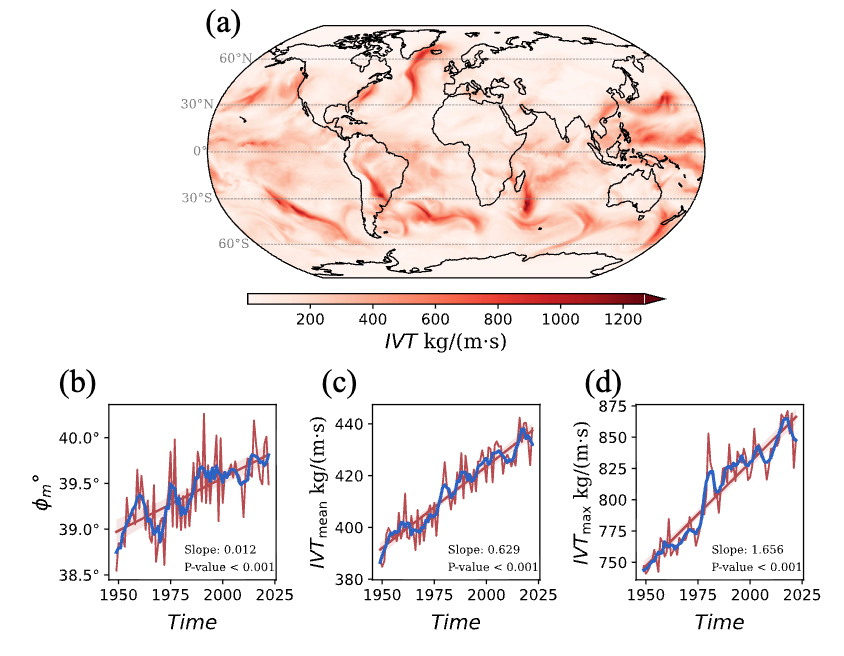
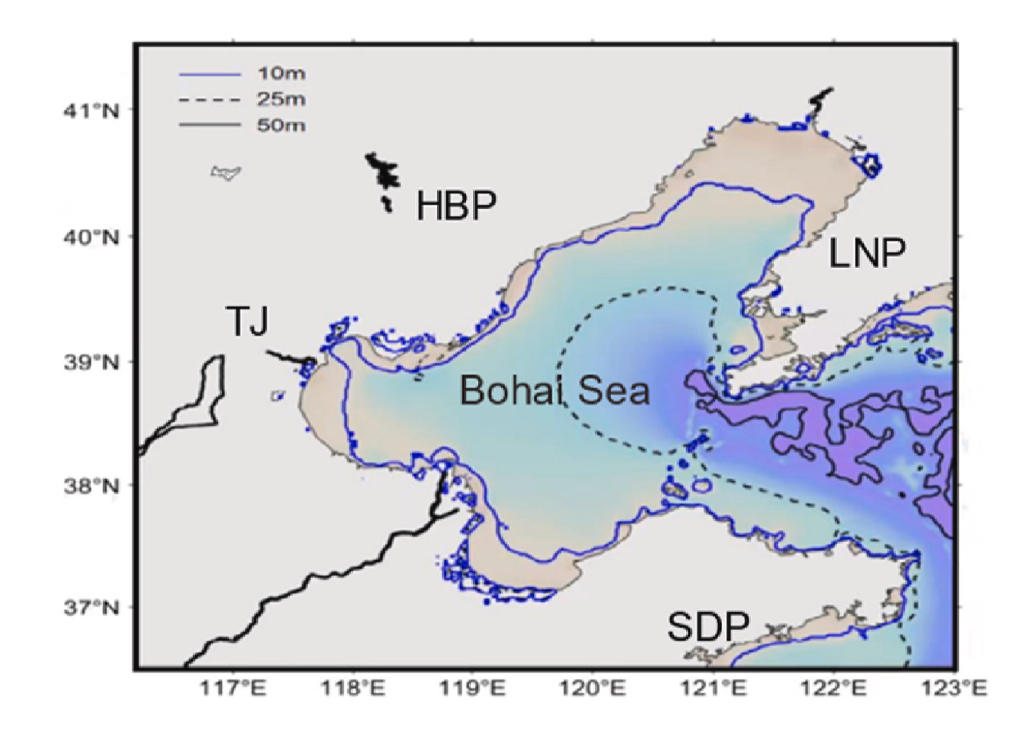 Marine Environmental Research, Feb 2026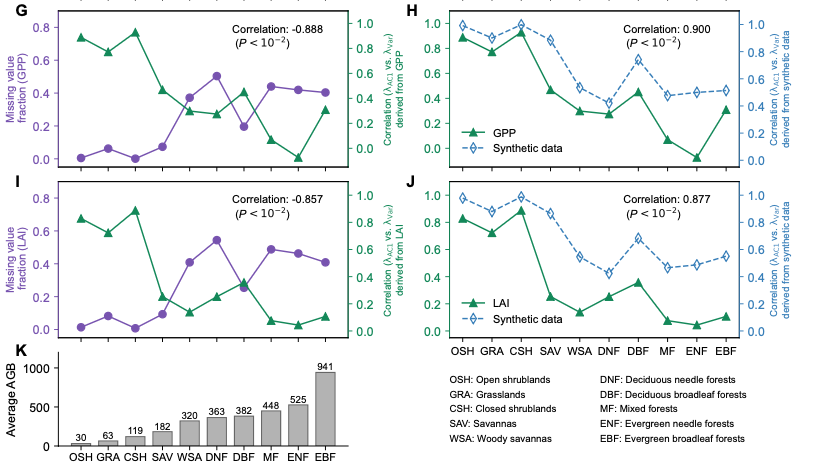
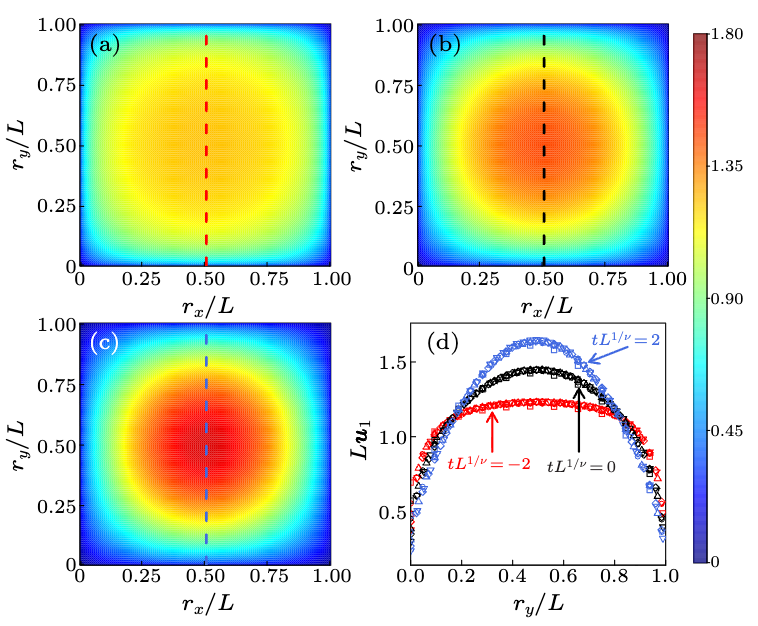 Chinese Physics Letters, Dec 2025
 Ecological Indicators, Dec 2025
 Journal of Environmental Management, Apr 2025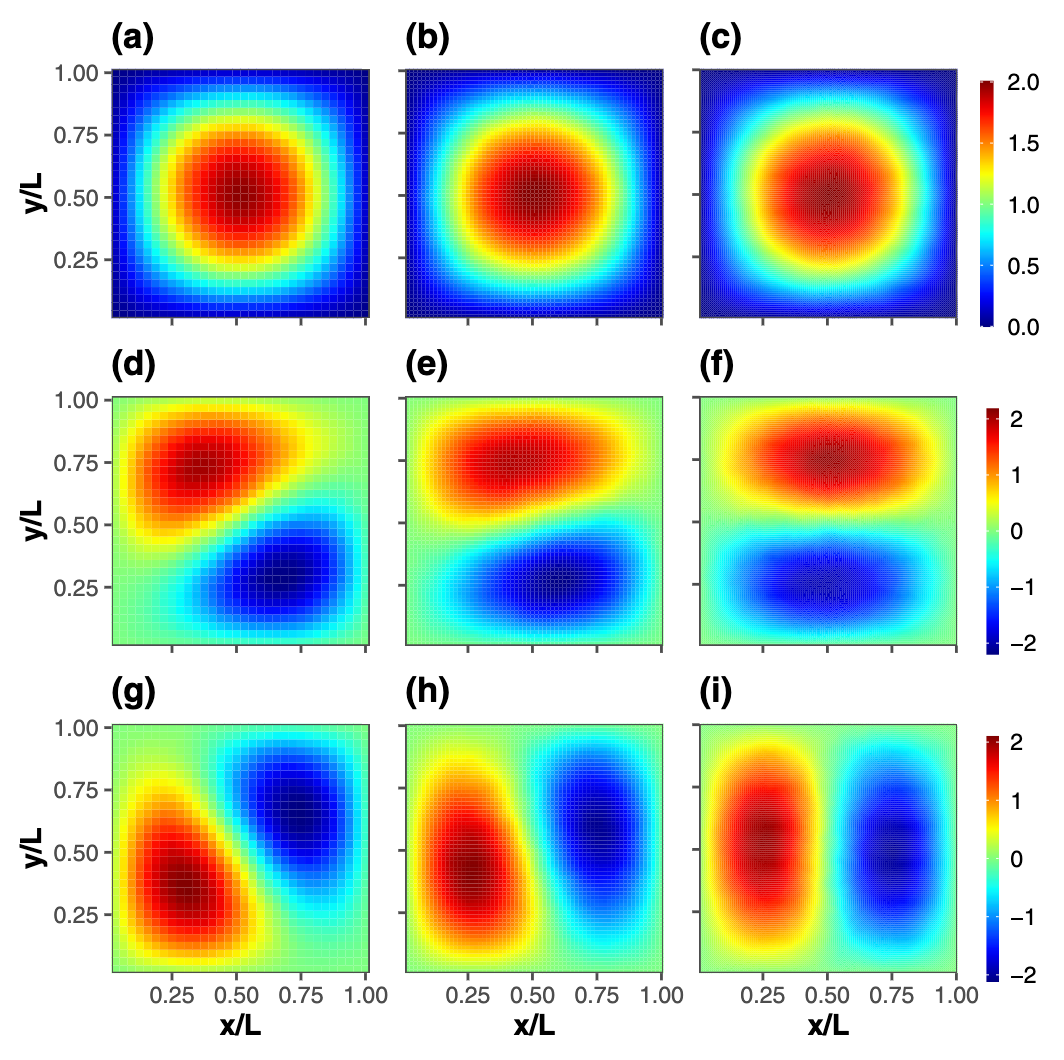
 Nature Climate Change, Jan 2023
 Science China Physics, Mechanics & Astronomy, Nov 2023
 Biochemical and biophysical research communications, Sep 2020